
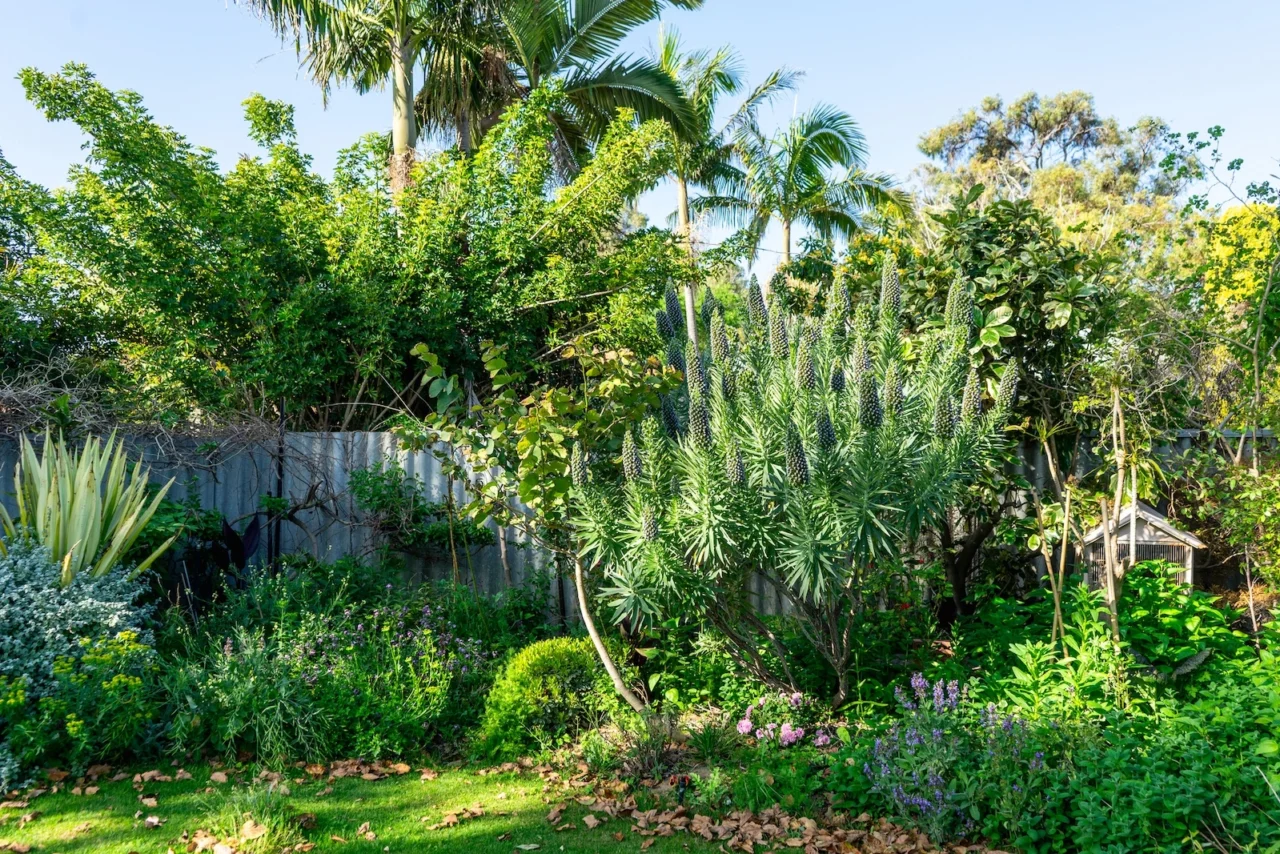
What is Rewilding?
Rewilding is a form of conservation seeking to restore natural ecosystems that have been negatively impacted by human activity. While large-scale rewilding projects like Rewilding Australia might focus on issues such as species re-introduction and restoring entire landscapes, rewilding in a suburban garden can involve anything from growing native plants, to creating micro-habitats to encourage biodiversity, to allowing your garden to grow and develop in a natural way. Rewilding is an extremely rewarding way to create unique, vibrant outdoor spaces while also helping to support the local ecosystem.
Why should I Rewild my Garden?
Rewilding offers a way to enjoy a garden that feels more diverse, natural, and alive. By allowing plants to grow more freely, you create a flowing, layered look that mixes different colours, textures, sizes and shapes. It’s a kind of organised chaos that makes your garden feel like it’s a part of the natural environment around it.
A rewilded garden also helps to support local biodiversity, often becoming habitats for birds, bees, butterflies, and other native wildlife. These species play an important role in keeping the garden healthy by assisting with pollination and natural pest control, and can make the space feel livelier and more natural.
Rewilded gardens can also be very easy to maintain. Since rewilding encourages minimising human intervention where possible, this means less time spent weeding, watering and fertilising, and instead allowing your garden to grow in a very natural way. See our other blog on designing a low-maintenance garden to learn why Australian natives are the perfect choice for hands-off gardening!

Rewilding encourages native plant growth and can help support local biodiversity.
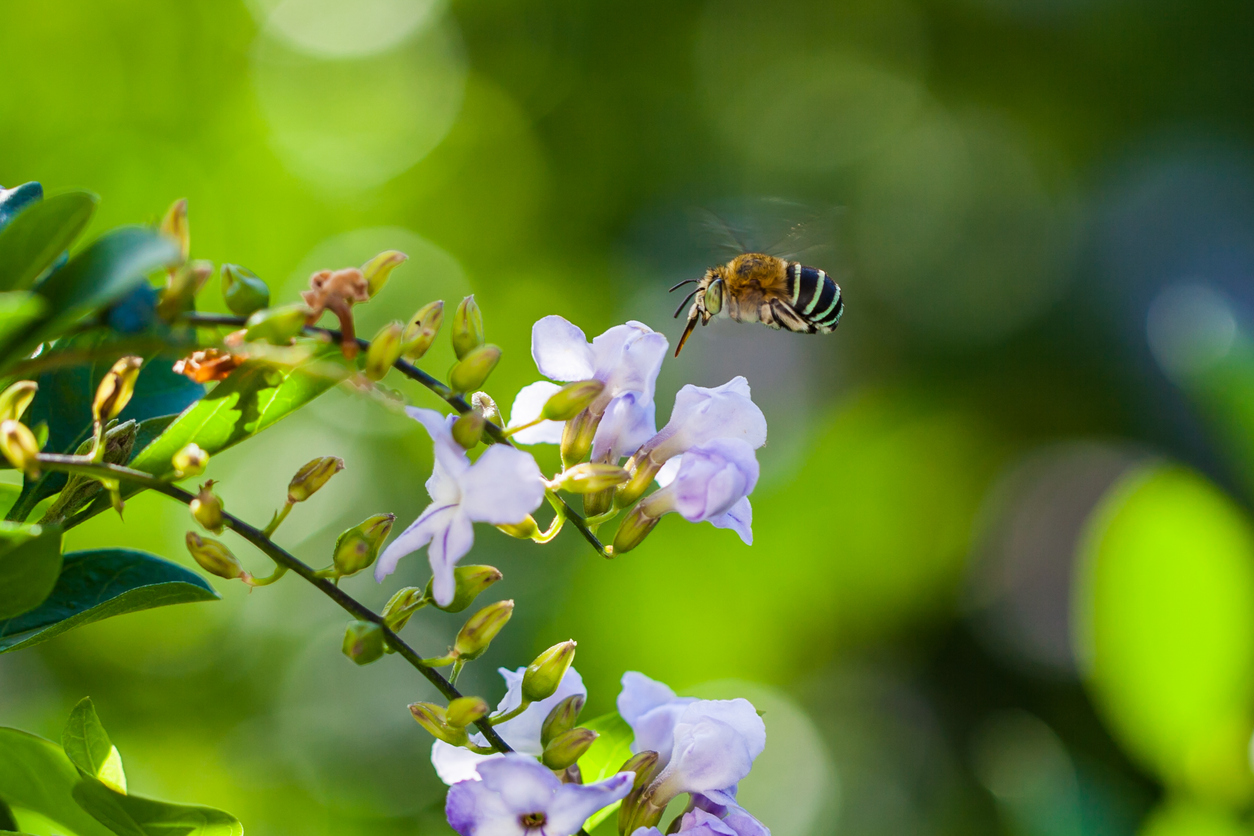
The Australian Blue-Banded Bee…just one of the many guests you might see in your rewilded garden!
How to Rewild your Garden
1. Don’t tear down your surroundings! Build around them.
If rewilding is about restoring the land to what it was before human settlement, it can be tempting to start by removing any non-natives or introduced species. However, it’s important to first observe your surroundings, and see how insects and other animals are interacting with them. That lemon tree in your background might not be native to Australia, but if a flock of lorikeets have been calling it home for the last year, that’s something you’ll want to keep around.
2. Stay away from pesticides and synthetic fertilisers
Chemical pesticides kill beneficial insects along with the pests you’re trying to control. In a rewilded garden, those “pests” are actually food for birds, lizards, and other wildlife, while insects like native bees and butterflies are essential pollinators. By using pesticides, you’re disrupting the natural balance and removing vital links in the food chain. Instead of pesticides, encourage natural pest control by creating habitat for birds, frogs, and ladybirds that feed on garden insects. If you notice an outbreak of aphids or caterpillars, resist the urge to intervene; nature will usually sort it out within a few weeks.
Synthetic fertilisers can be just as problematic. Many Australian native plants have evolved in nutrient-poor soils and can be harmed by high-phosphorus fertilisers. These chemicals can also run off into waterways, causing algal blooms and damaging aquatic ecosystems. Instead of fertiliser, consider starting a compost bin or worm farm, to provide organic matter to the soil in a more natural way.
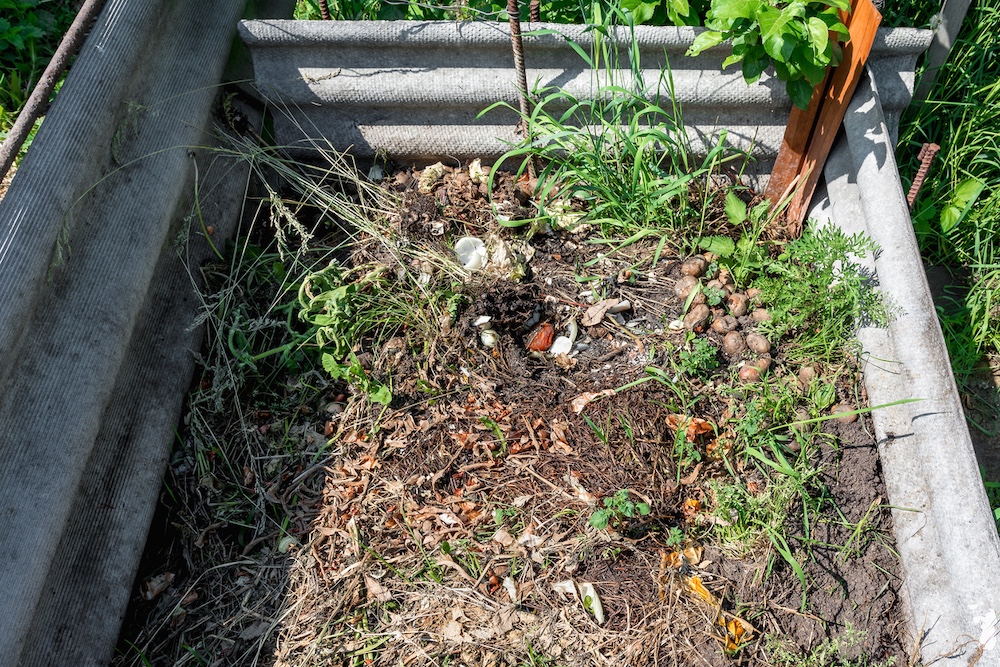
Starting a compost bin is one of the ways you can cut back on chemicals in a rewilded garden.
3. Create a variety of habitats
Think about adding different habitat features that cater to various creatures. Bug hotels made from hollow stems, pinecones, and drilled wood blocks provide homes for native bees, butterflies, and other beneficial insects, while installing nesting boxes can attract a variety of native birds (see our other blog about attracting native birds to your garden for more tips).
For larger backyards, you can even consider building a small pond, which can become a magnet for frogs, dragonflies, and other aquatic insects. Planting around the pond also creates safe corridors for animals to move through, while even simple features like a small pile of rocks could eventually become a shelter for insects or small lizards.
What are the Best Plants for Rewilding?
Native Australian plants such as banksias, kangaroo paws, mat rush, and grevilleas are a natural choice for rewilding a garden, as they have adapted to survive in our climate and will serve as a suitable home for local wildlife. The plants you choose are up to your personal preferences, but it’s best to pick different species with a variety of sizes; just like a natural ecosystem has a mix of ground cover, mid-level shrubs, and canopy trees, a rewilded garden should offer this same diversity, so that it can provide a range of habitats and food sources for insects, birds, lizards, and more.
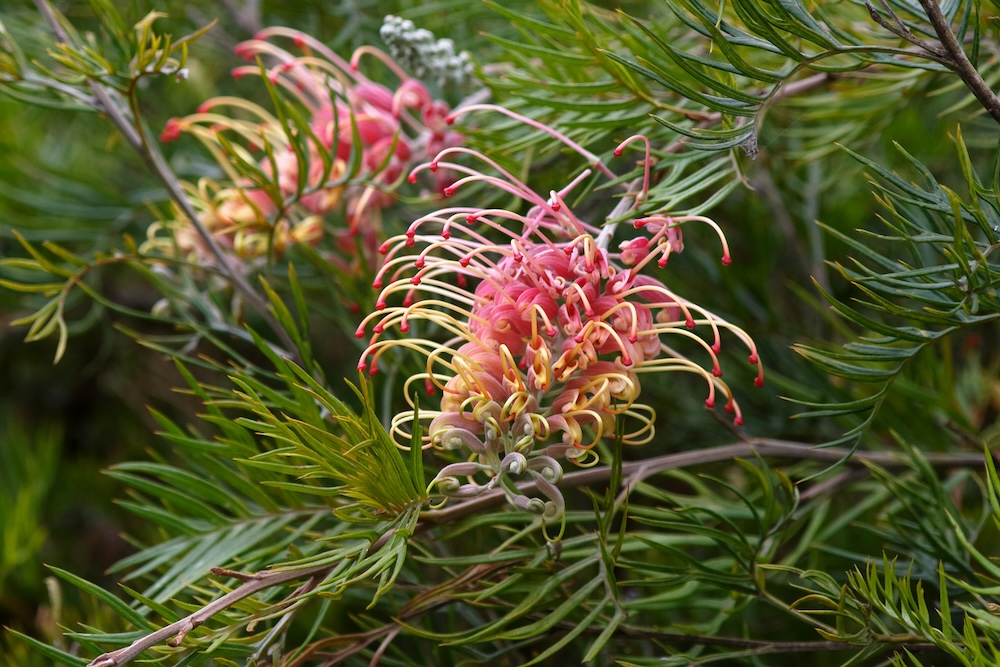
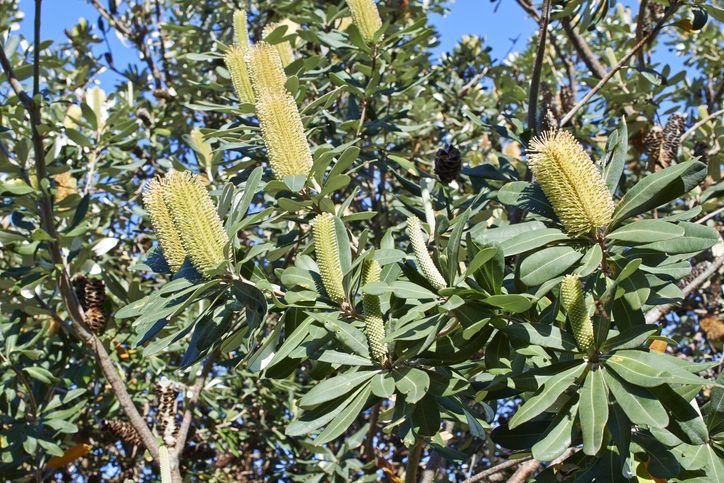
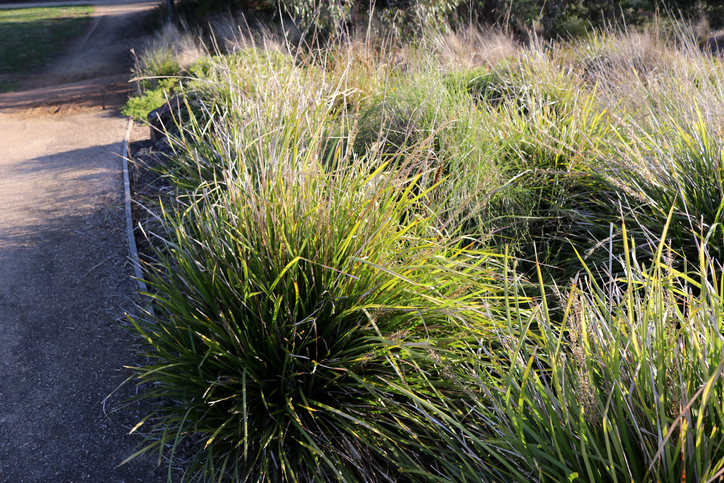
Grevilleas, Banksias, and Mat Rushes are just some of the native Australian plants perfect for your rewilding project.
Pay special attention to plants that support pollinators throughout the year. Native bees, butterflies, beetles, and other pollinating insects are essential to a thriving ecosystem, and they need nectar and pollen across all seasons. Choosing plants with different flowering times (early blooming wattles in winter, grevilleas in spring, eucalypts in summer, and banksias in autumn) will ensure there’s always something in bloom.
All this said, if there’s a plant you absolutely love that breaks some of these rules, there’s nothing stopping you from adding it to the mix; just ensure that if you’re planting non-natives, it’s not an invasive species that will potentially harm animals or plants around it.
Creating Structure in your Rewilding Project
Here’s where the “organised” part of organised chaos comes in. While rewilding encourages a more natural, free-flowing garden, that doesn’t mean it has to look messy or overgrown. The key is finding the right balance between wild and structured, and one of the best ways to achieve this is through thoughtful use of garden edging.
Garden edging helps define different zones in your rewilded space, separating wilder areas from paths, lawn, or more manicured sections. This creates visual clarity and makes the garden feel intentional rather than neglected. Steel edging is particularly well-suited to rewilding projects because of its clean, minimal lines that complement rather than compete with the natural plantings – EverEdge Powder Coated in Brown can blend in naturally with your surroundings, while EverEdge Cor-Ten can create a classic, weathered look.
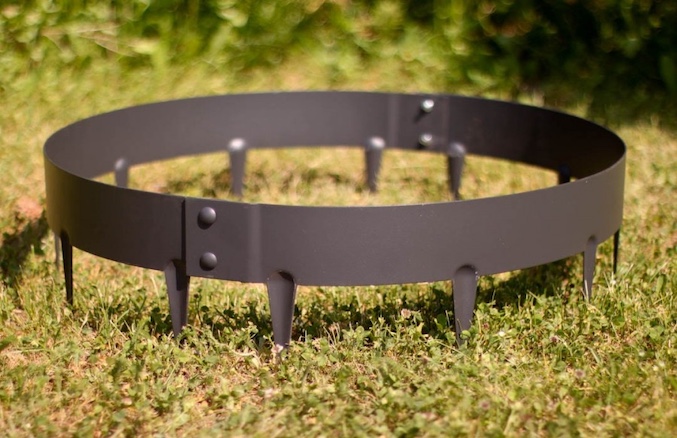
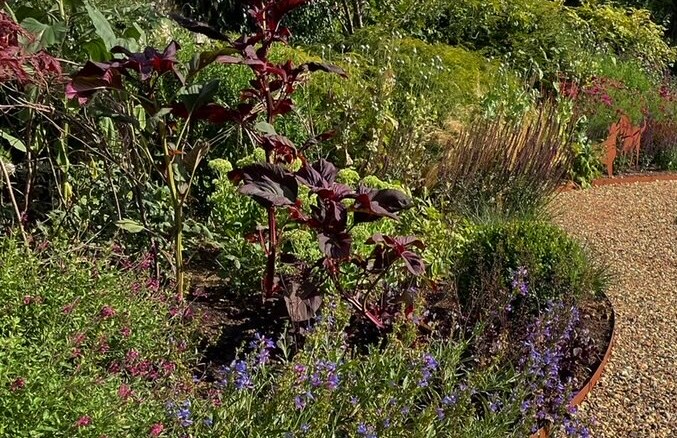
A “wild” garden doesn’t have to be an unruly one; using garden edging can help with structuring a rewilding project, and create distinct zones or habitats where the local wildlife can flourish.
Edging also serves practical purposes in a rewilded garden. It helps contain the mulch and leaf litter that are essential for soil health and insect habitat, and prevents aggressive ground covers from spreading into unwanted areas. This structure gives you control over where the wildness happens, allowing certain areas to flourish naturally while keeping others tidy.
Rewilding your garden can feel like a daunting process but remember, it doesn’t have to happen overnight. Take it slow, and don’t be afraid to make mistakes. At the end of the day, you don’t need to upend your entire backyard to make a positive change; even small things like planting some new natives or swapping out that chemical fertiliser for a compost bin can make a big difference in supporting your local ecosystem.
