
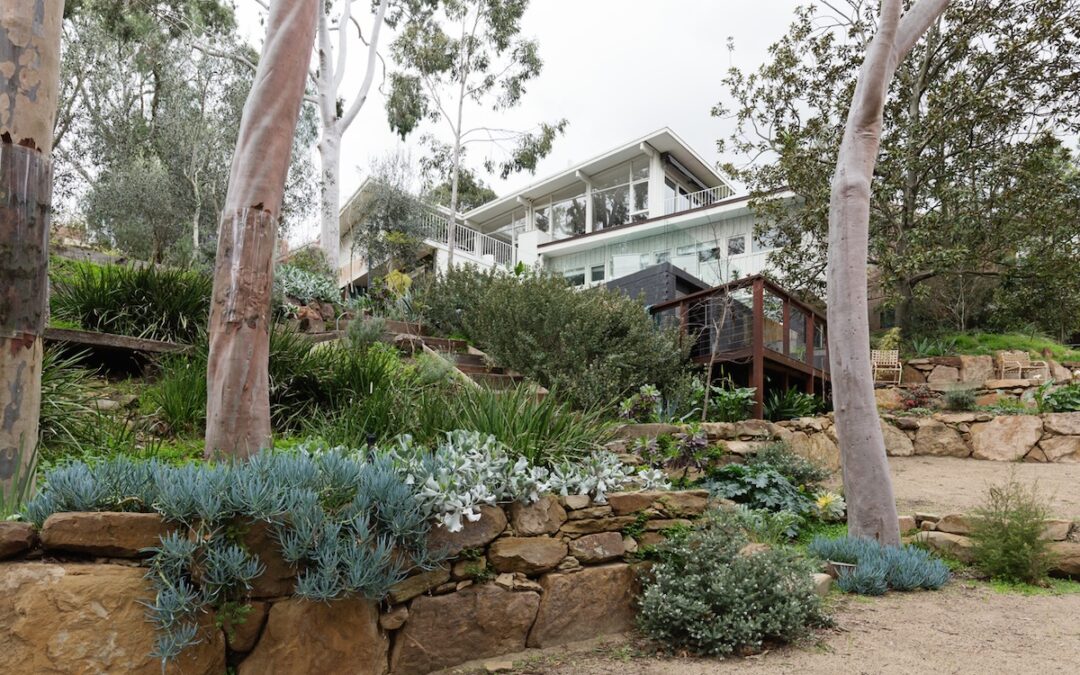
Australian gardens are changing. As we move into 2026, the way we design, plant, and care for our outdoor spaces reflects our awareness of environmental issues and sustainability, technological innovation, and the need for spaces that support both mental and physical wellbeing.
Here are six key trends that we think will define Australian gardening in 2026.
1. Drought Tolerant Planting (Xeriscaping)
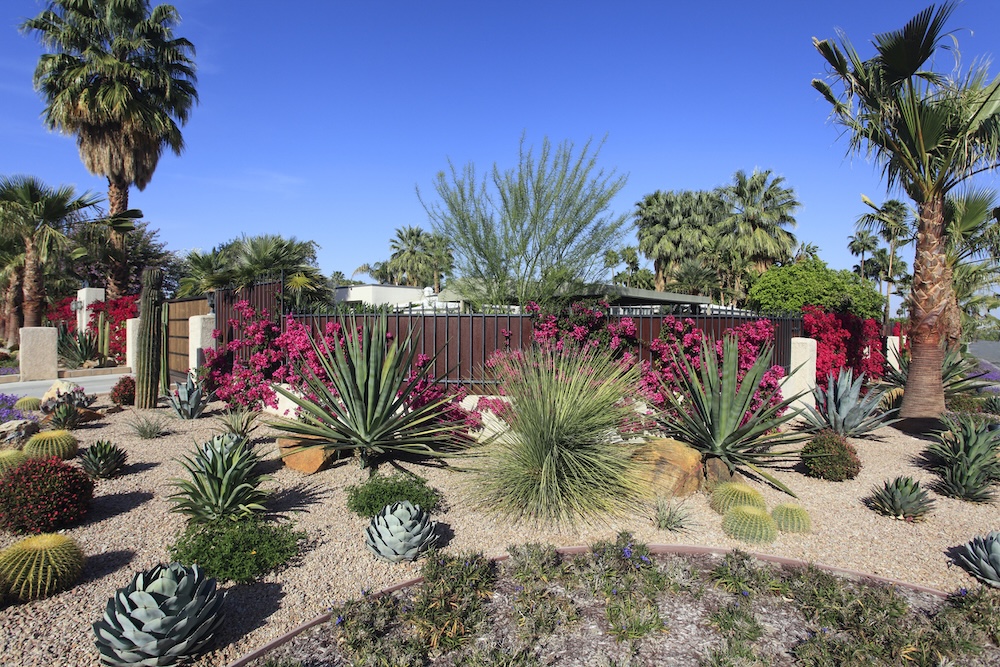
Ever since the widespread drought from the late 90s to early 2010s, water conservation has always been a top priority for Australian gardeners, and this remains true going into 2026. Australian gardeners are fully embracing drought-tolerant planting, also known as Xeriscaping, which focuses on drought-resistant plants such as Australian natives, succulents and cacti, efficient irrigation systems, and reduced lawn areas. Mulching has also become an essential component of water-wise gardens, applying organic materials like wood chips, compost, or leaf mould to garden beds to reduce water loss through evaporation. These low-maintenance gardens offer a beautiful and ecologically responsible alternative that will thrive in hot Australian summers. And speaking of ecologically responsible –
2. Sustainable Gardening
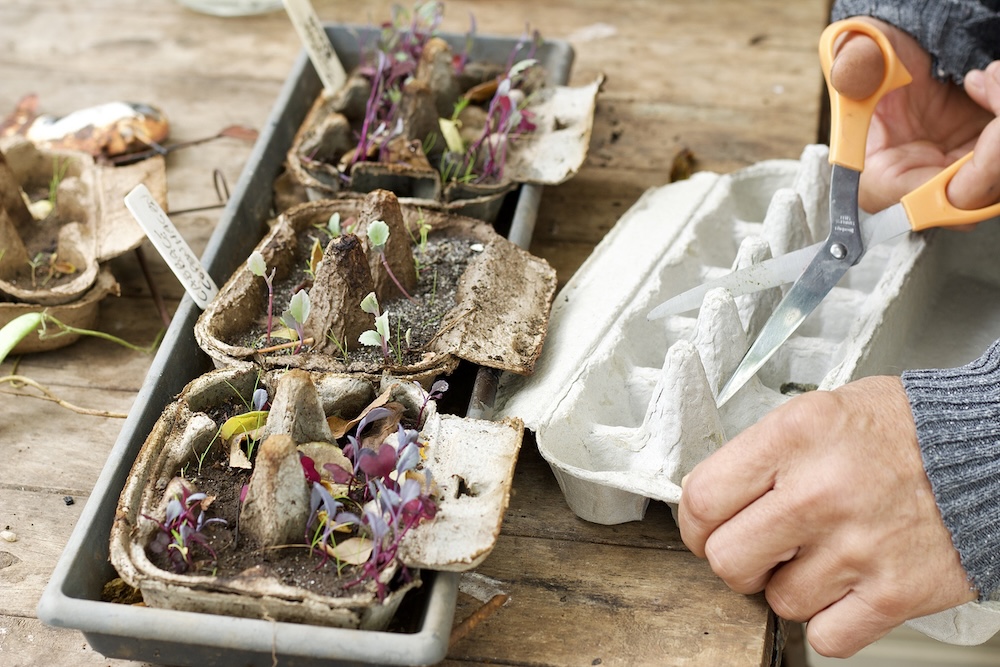
The philosophy of sustainable gardening is simple; work with nature, not against it. Australian gardeners are embracing native plants requiring less water and maintenance, sustainable materials like recycled stone and reclaimed wood, and continuing to reject harsh chemical pesticides and synthetic products. Using multi-purpose gardening tools made from high-quality materials, and incorporating durable, high-quality materials like steel garden edging can also help prevent gardeners from having to throw out and re-buy their supplies. These principles all help increase local biodiversity, making gardens a welcoming environment for native birds, insects, and other wildlife.
3. Autonomous Gardening through Technology
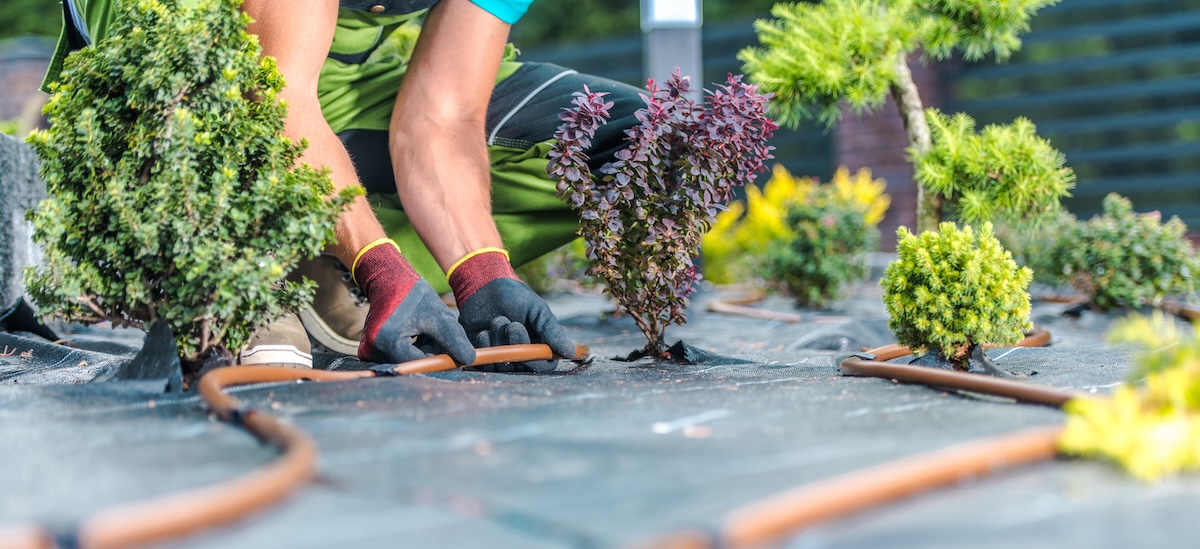
Technology is transforming how Australians care for their gardens, making it easier to maintain healthy plants while conserving water and time. Recent innovations like plant monitors and smart irrigation controllers have bought about a trend of an autonomous garden, gardens that can largely maintain themselves with minimal intervention.
Smart irrigation controllers connect to Wi-Fi and automatically adjust watering based on weather forecasts, soil moisture, and temperature (great for Xeriscaping!). They skip watering when rain is coming and increase it during heatwaves, ensuring your garden gets exactly what it needs without manual scheduling.
Plant monitoring sensors measure soil moisture, light, and temperature, sending alerts to your phone when intervention is needed, while diagnostic apps allow you to photograph problem leaves and receive instant identification of diseases or pests, helping you address issues quickly before they spread.
4. Edible Gardening
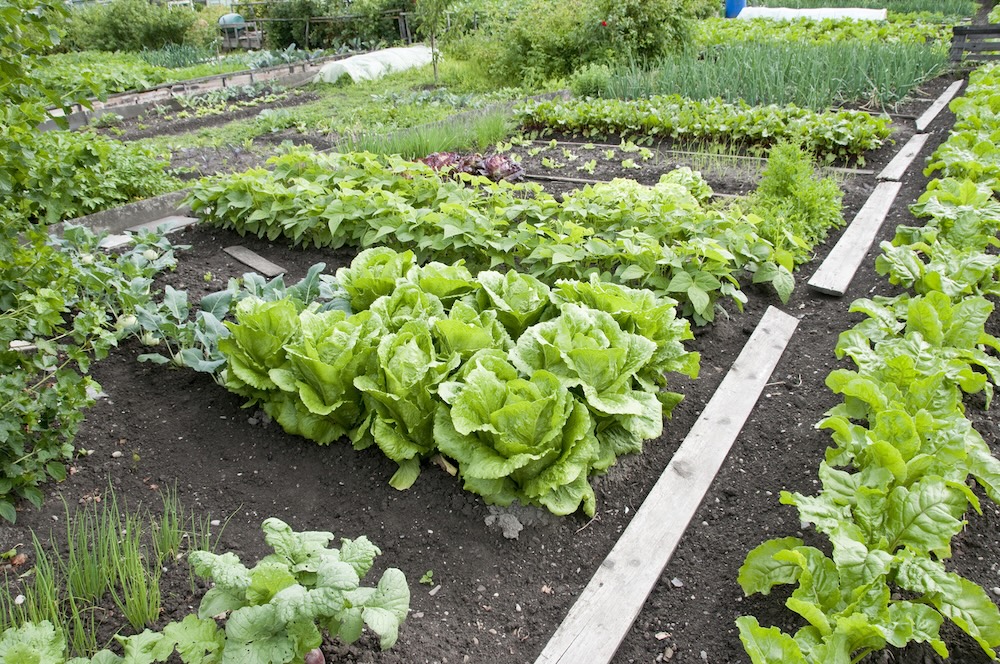
One of the biggest trends shaping Australian gardens in 2026 is the continued rise of edible gardening. As of 2025, approximately 45% of Australians were growing some of their own food, with healthy eating, cost of living, and reducing food waste being some of the most commonly cited reasons. Native Australian edibles like finger lime and native river mint are seeing increased popularity, alongside the common staples like tomatoes, citrus, leafy greens and herbs, while mushroom grow kits are seeing a rise due to their extremely fast yield times.
These gardens are taking on many forms; traditional veggie patches lined with garden edging continue to be a popular choice, and with increased urbanisation seeing more and more people moving into major cities, container planting and balcony gardens have started to trend as space-efficient options in more compact apartments and townhouses.
5. Vertical Gardening
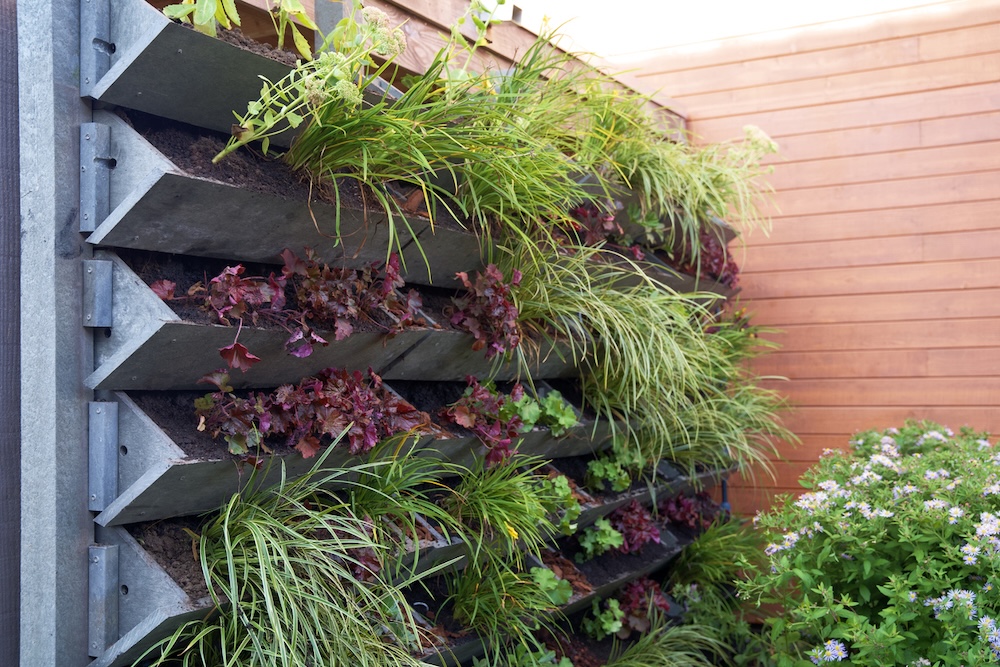
With this increase in urbanisation, Australian gardeners are looking for more and more ways to make the most of their space. Vertical gardening is one of the hottest trends we’ve seen going into 2026, as a creative way to utilise as much space as possible on balconies and in small townhouse courtyards. Living walls are one of the most common ways to utilise vertical space, which have the added benefit of cooling interior temperatures and reducing air and noise pollution in busy urban environments. Trellising and climbing plants are also being used to create spectacular garden centrepieces like archways and green walls.
6. Sensory Gardening for Wellness
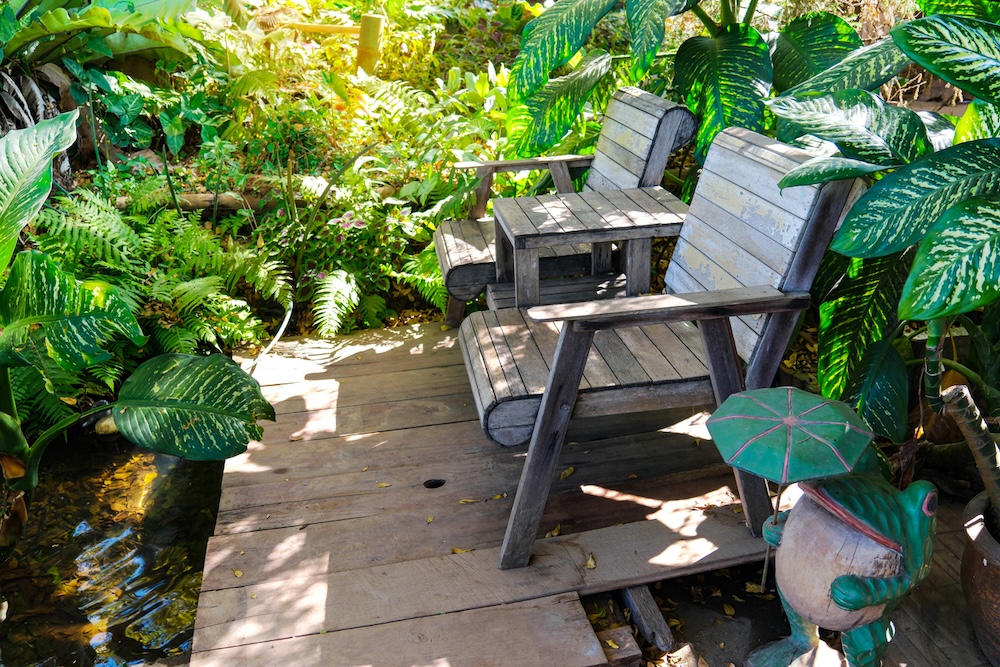
The post-pandemic era has reinforced the value of wellness spaces, and Australian backyards are increasingly becoming personal retreats. Gardens are being designed not just for their visual appeal, but for their ability to support mental and physical wellbeing.
Sensory gardening encourages people to slow down, observe, and interact with nature in ways that go beyond just sight. These spaces engage all five senses through careful plant selection and thoughtful design elements.
For sight, gardens incorporate contrasting foliage, seasonal colour changes, and swaying grasses, while sound comes from rustling leaves, trickling water features, and the birds and insects that these gardens attract. Touch is engaged through varied textures, from soft lamb’s ear leaves to rough tree bark and smooth river stones, while aromatic edible plants like rosemary, mint, and lemon myrtle contribute to smell and taste. Research exploring the link between gardening and mental wellbeing has contributed to this trend’s popularity, with many Australian homeowners drawn to outdoor spaces designed for relaxation and mindfulness.
Australian gardening in 2026 is all about working smarter, living sustainably, and creating spaces that feel good to be in. Whether you have a balcony or a backyard, these trends show a clear shift toward gardens that are resilient, nourishing, and deeply connected to wellbeing.