
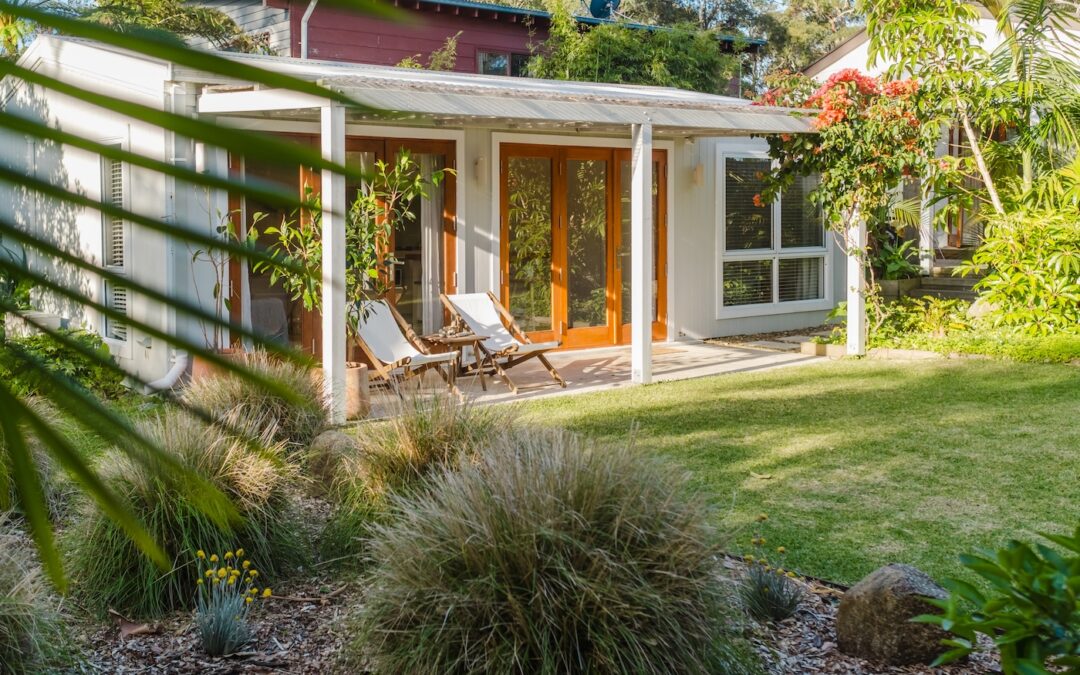
Australia’s coastline offers some of the most beautiful garden backdrops in the world. With picturesque blue ocean, salt-kissed air and a relaxed feeling you could only find outside the big city, it’s no wonder beachside towns like Jervis Bay, Noosa, and the Mornington Peninsula are some of Australia’s most popular destinations to set up a holiday home. In this blog, we’ll look at some of the ways you can transform your beachside backyard into the perfect coastal retreat.
What Makes Coastal Gardens Different?
Coastal gardens face a distinct set of challenges that set them apart from suburban or country gardens. Sandy, nutrient-poor soils, relentless salt-laden winds and intense UV exposure mean many conventional garden plants simply aren’t built for the conditions. Many of the plants that would have no problems growing in your typical suburban backyard will have a much harder time along the coast.
But those same conditions make coastal gardens some of the most exciting to design. The natural landscape; dunes, coastal scrub, and open sky, is some of the most striking scenery in Australia, and a well-designed garden that works with that environment rather than against it can be something really special.
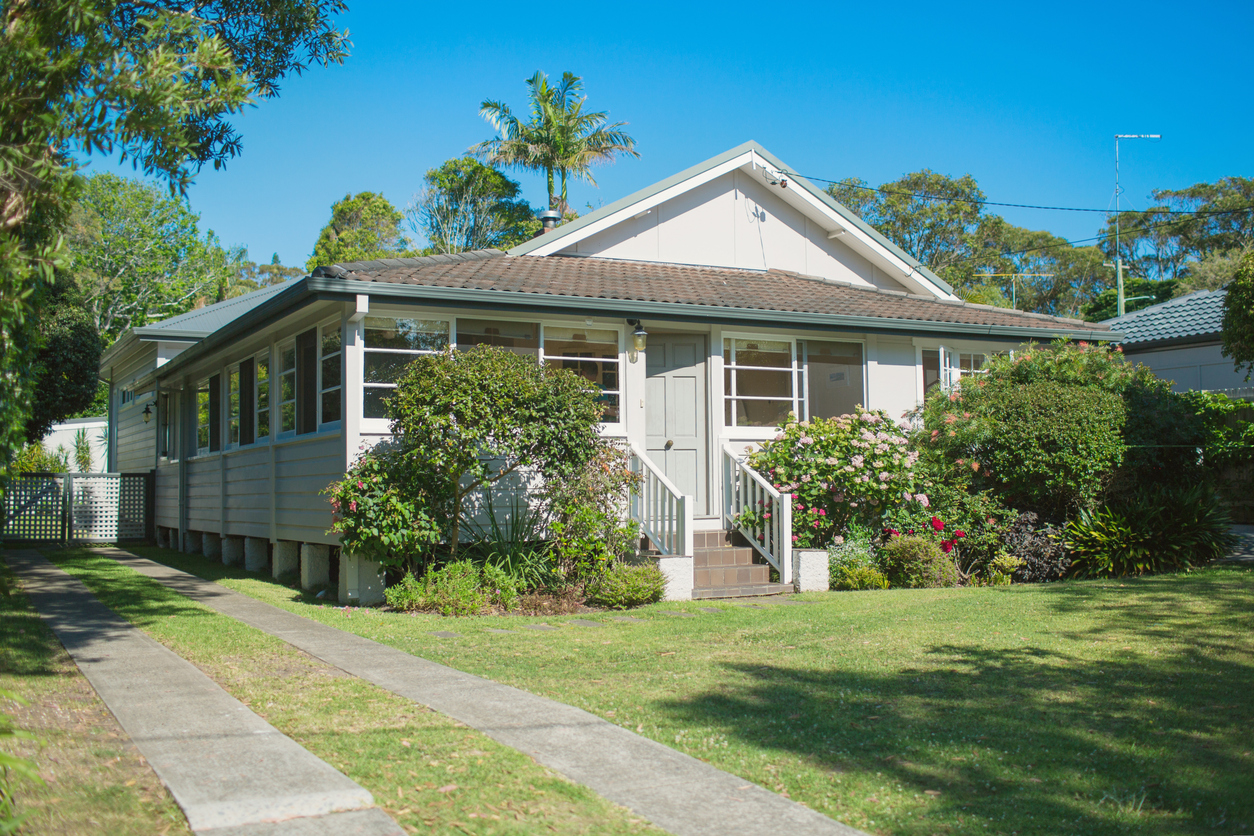
Principles of Coastal Garden Design
It can be tempting to match the vibrant coastline with plants that are equally striking, however the best coastal garden designs are typically the ones that aren’t afraid to take a backseat and let the environment really shine.
Follow Organic Shapes and Curves
The coastline isn’t straight, and your garden shouldn’t be either. Sweeping curves and informal planting arrangements feel natural in a coastal setting in a way that rigid lines and formal symmetry don’t. A flexible garden edging like EverEdge Cor-Ten is particularly handy here; it lets you create flowing bed edges that hold their shape in sandy soils and keep mulch and gravel where you want them.
Be Bold with Contrasting Textures
Some of the best beach house gardens work with contrast. Fine-leaved grasses against broad-leaved shrubs, smooth pebbles alongside rough timber, low groundcovers in front of taller architectural plants. Pairing soft, naturalistic planting with harder materials like sandstone, crushed granite, steel or weathered timber creates a garden that feels considered without looking overdone.
Keep Colours Natural
Your plant choices and hard landscaping materials should look like they belong to the coast. Soft greys, sandy neutrals, silver-greens and dusty blues are a solid foundation. Let flowering plants bring the colour; a Correa in soft pink, or a Banksia in gold.
Don’t Block the View!
One of the biggest mistakes you can make in a coastal garden is accidently planting out your best asset – the view. You chose a beach house to see the ocean, make sure you’re not obscuring it! Consider common sightlines from your property and ensure tall plants aren’t blocking windows or viewpoints.
That said, shelter still matters. Taller plants on the windward side of your garden can protect everything behind them from salt wind and exposure. Clearly edged garden beds help you define those shelter zones without adding visual clutter, keeping the garden feeling open even where planting is dense.
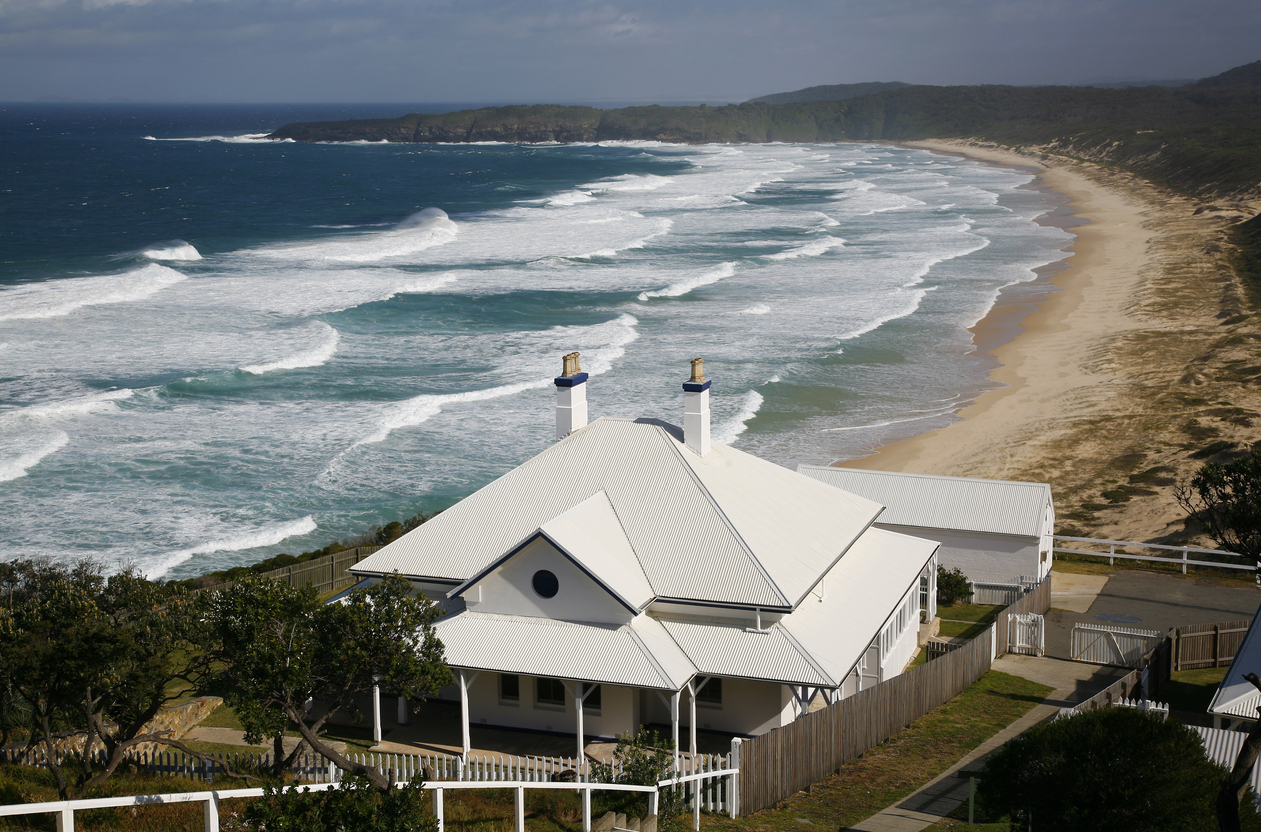
This beach house at Seal Rocks NSW utilises taller trees for shelter without obscuring the view of the ocean.
Best Australian Natives for a Coastal Garden
Beach house gardens are not just about palm trees. Australian natives are the obvious starting point for a coastal garden; they’ve evolved in these conditions and generally need far less water, fertiliser and attention than exotic alternatives once they’re established.
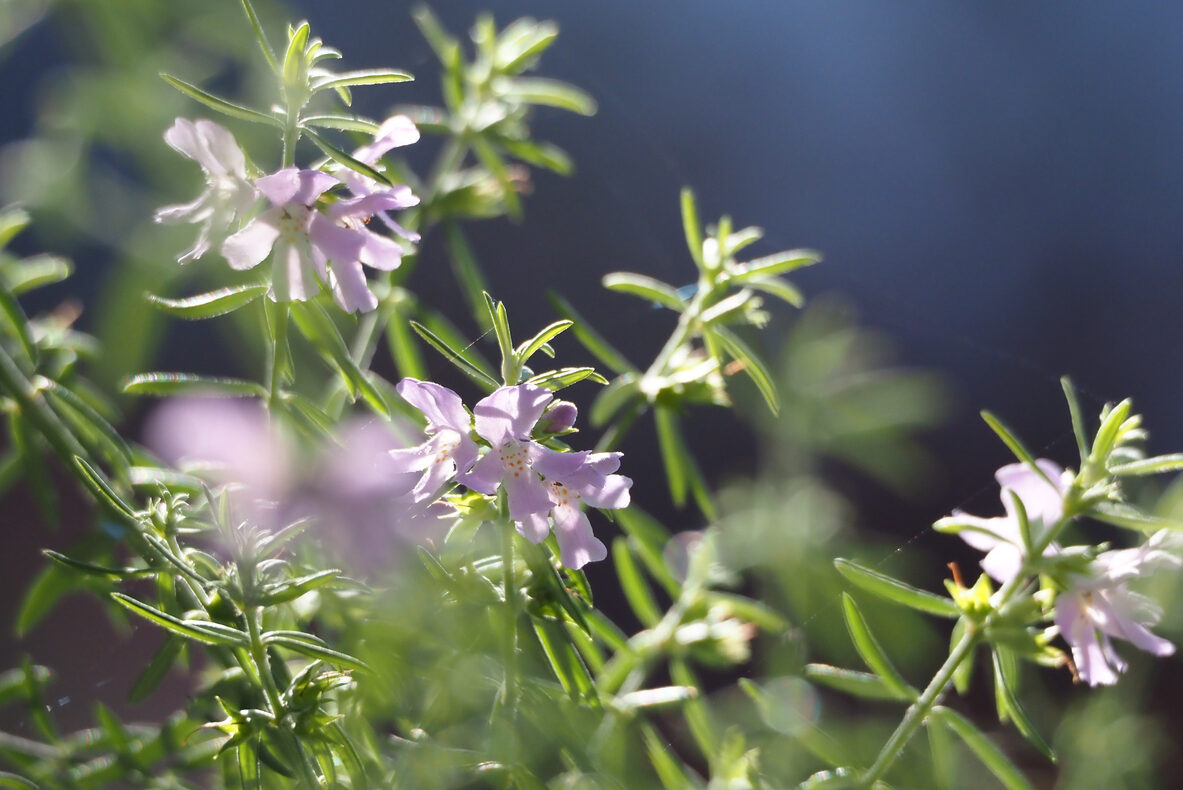
Coastal Rosemary (Westringia fruticosa)
Westringia is one of the most reliable coastal plants going. It handles salt wind and poor soils well, comes in a range of sizes, and responds well to pruning if you need a more structured look.
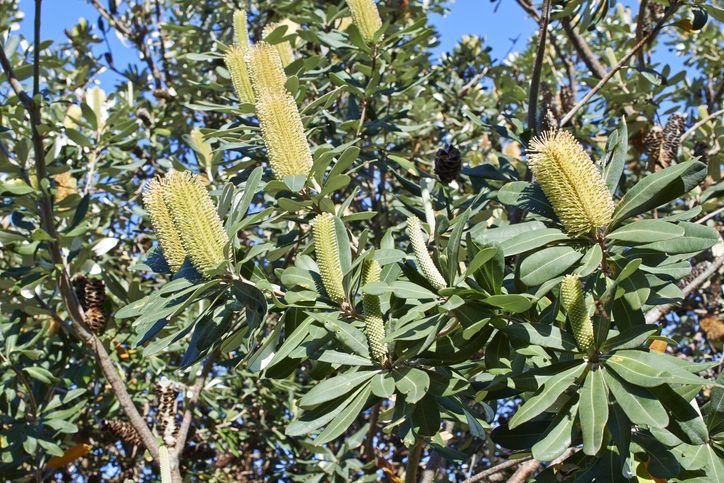
Coastal Banksia (Banksia integrifolia)
Coastal Banksia brings bold, architectural form to a garden and is a magnet for honeyeaters and other native birds.
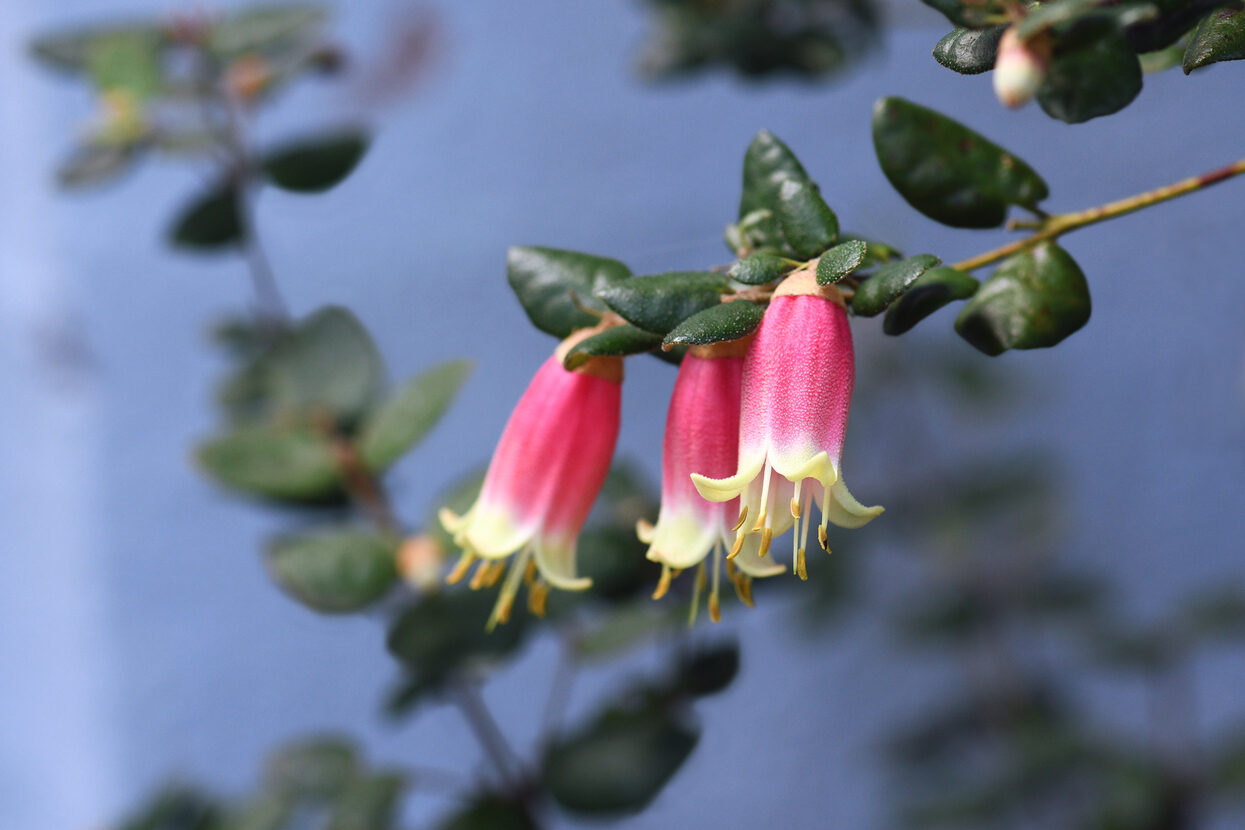
Correa (Correa spp.)
Correa reflexa and other species are a great mid-sized shrub option with attractive bell-shaped flowers and foliage that suits the coastal palette well.
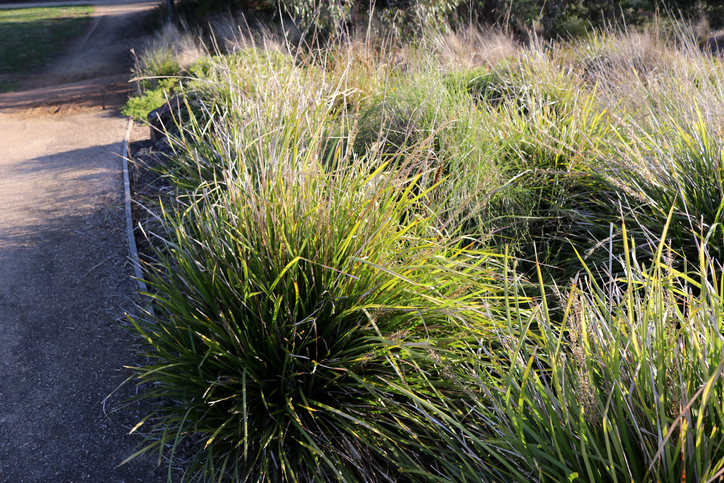
Mat Rush (Lomandra longifolia)
Lomandra and other strappy grasses like Dianella are low-maintenance workhorses; tough, flexible in the wind, and well suited to edges and high-traffic areas where something less robust would struggle.
Some other coastal plants to consider are:
Pigface (Carpobrotus) — tough groundcover for exposed positions, tolerates sand and salt with ease
Saltbush (Atriplex spp.) — silvery foliage, exceptional drought and salt tolerance, great for difficult spots
Sheoak (Casuarina) — a beautiful canopy option that creates dappled shade and a distinctly coastal feel
Lilly pilly (Syzygium smithii) — dense and fast-growing where screening or wind protection is needed
A coastal garden that works is one that suits its environment. Lean into the sandy soils, the wind exposure and the open landscape rather than trying to fight them, and you’ll end up with something that’s genuinely low maintenance and looks like it belongs. Get the structure right with considered plant placement, natural materials, and good quality garden edging like EverEdge, and the rest tends to follow.